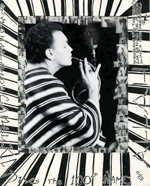
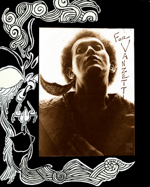
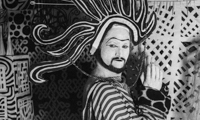
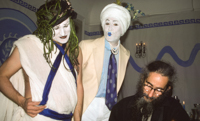
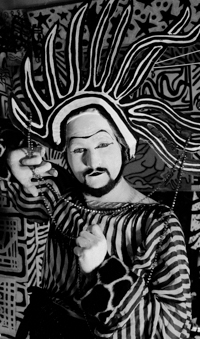
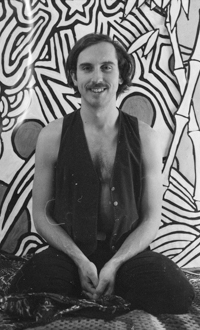
Munificent Magnificence
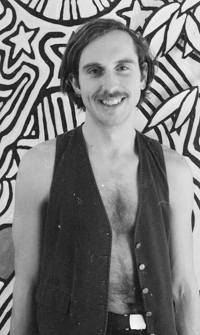
James Tressler, 1944-2024
(a.k.a. Jim, Jilala, JET, von Jalopy)
JET left us nearly two years ago. It has taken that long to come to grips
with his loss. This page will answer the question that I have heard some
ask, "What was his significance?" A great deal, as it turns
out.
This is a revised version of the obituary I wrote
immediately after JET's passing in November 2024 and which
we sent to various libraries in the search of a home for
JET's archive. (See "JET at Stanford" for that story.)
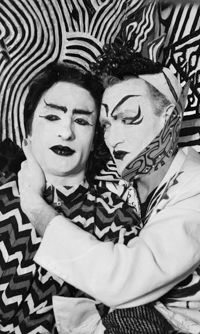
James “JET” Tressler, an artist and influential figure in
San Francisco’s counterculture and free-theater movements,
died of natural causes in November 2024 at the age of 80.
This section of the Digger web will be a lasting memorial to
the legacy he has left all of us who knew and loved him.
Born in Miami in 1944, JET devoted much of his life to
radical art, communal living, and the Digger ideal of Free.
He was not simply a participant in the cultural upheavals of
the 1960s and 1970s; he helped shape new forms of theater
rooted in communal life and offered freely to the public.
Through his work with the Diggers, the Kaliflower Commune,
the Angels of Light, and the No Penny Opera soup kitchens,
JET found his own way of bringing together theater, food,
political conviction, and community.
JET’s artistic and
political awakening came at a time when many of his
generation were turning against the Vietnam War and
questioning conventional American values. In 1966, he joined
the Diggers in San Francisco, who were working to create a
Free City of communal families based on mutual aid. JET
helped cook the famous Digger stew served every day in the
Panhandle. Those communal meals became a lasting part of his
life. The Digger meaning of Free—“no buying, no
selling”—became a principle he carried into nearly
everything he did afterward.
At the Kaliflower Commune,
JET worked with Ralph Sauer and George Harris, known as
Hibiscus, within the communal world established by Irving
Rosenthal. Together they explored a form of theatrical
self-presentation that came to be known as genderfuck.
Hibiscus went on to found the Cockettes, a flamboyant
theater troupe that combined drag, surrealism, and
countercultural rebellion. Their performances brought queer
identity and gender play into public view with humor,
spectacle, and a refusal to apologize. In doing so, they
became part of the larger movement toward gay liberation and
greater queer visibility.
Even as the Cockettes became
well known, Hibiscus continued to imagine a free theater
called the Angels of Light. JET’s criticism of paid
performances helped persuade Hibiscus to leave the Cockettes
and pursue that original idea: a troupe committed entirely
to free theater. Following the Digger tradition, the Angels
of Light served free vegetarian feasts to their audiences.
As JET later wrote, “The theatre that grew out of our
communal life embodied our dreams, our fantasies and wishes.
We were so moved by the Cockettes’ joie de vivre that we
wanted our own version, our own leap for the aesthetic brass
ring.” The Angels of Light were both a theater company and
an experiment in communal life—a chosen family whose members
understood art as something to be shared rather than sold.
JET’s commitment to communal meals continued long after the
Angels of Light disbanded. He was a gifted and dedicated
cook, and with Ralph Sauer he produced weekly free vegan
meals at Hamilton Methodist Church and later at CELLspace in
San Francisco. In the 1998 film Les Diggers de San
Francisco, JET was interviewed at one of the No Penny Opera
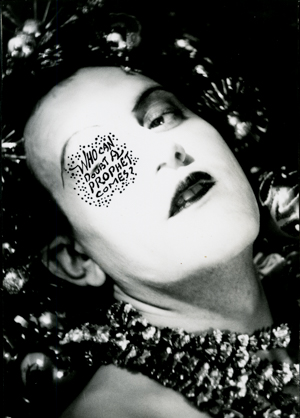
free dinners. Dressed in high drag with his face painted, he
spoke about the Diggers’ original vision—a vision that,
through those meals, was still being put into practice.
In
his later years, JET worked to preserve the history of the
Angels of Light. His films include the 1972 Kaliflower
Intercommunal Carnival, at which the Angels performed
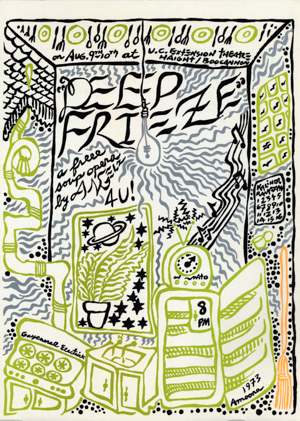
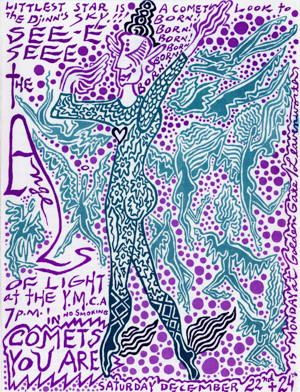
“Peking on Acid,” as well as the 1973 performances of “Deep
Frieze” and “Comets You Are.” The films capture some of the
strange beauty, humor, and theatrical freedom the Angels
brought to the stage. JET preserved them so that people who
had never seen the troupe perform could still encounter its
work and perhaps find something useful in its radical
spirit. His film archive is now preserved in Stanford
University Libraries’ Special Collections, where it will
remain available to future generations.
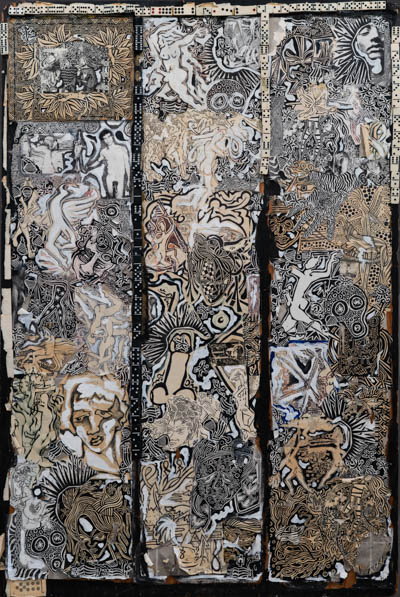
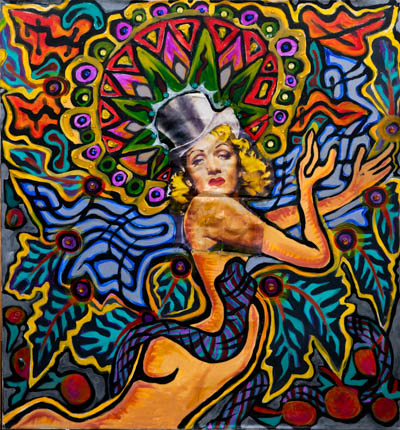
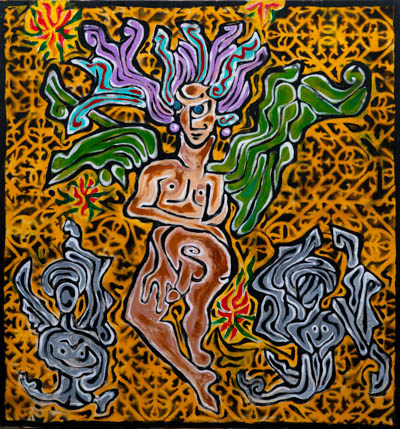
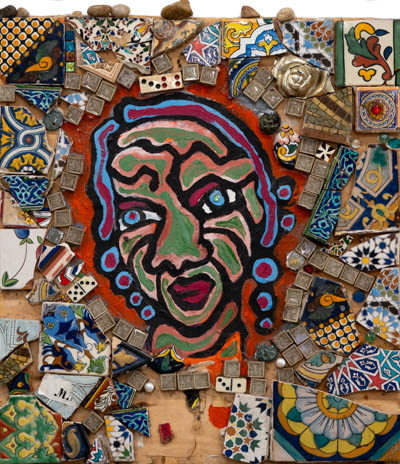
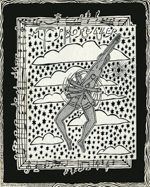
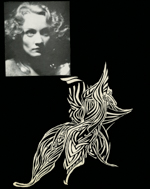
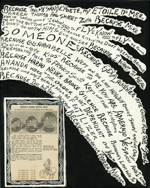
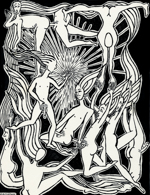
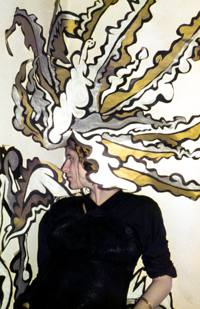
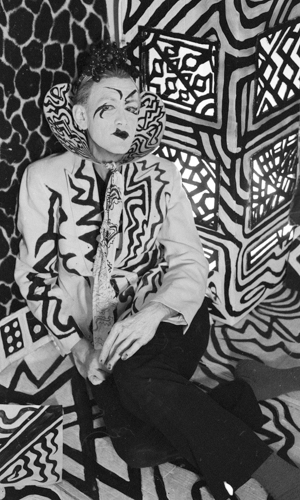
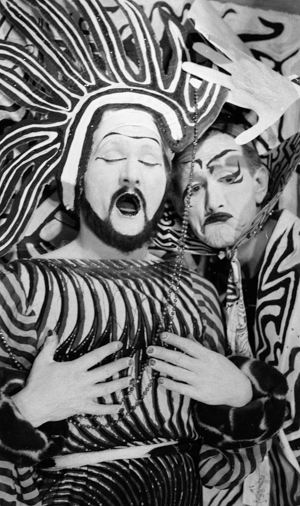
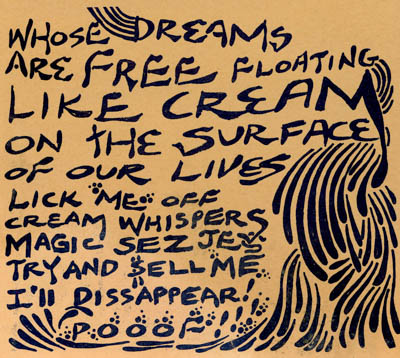
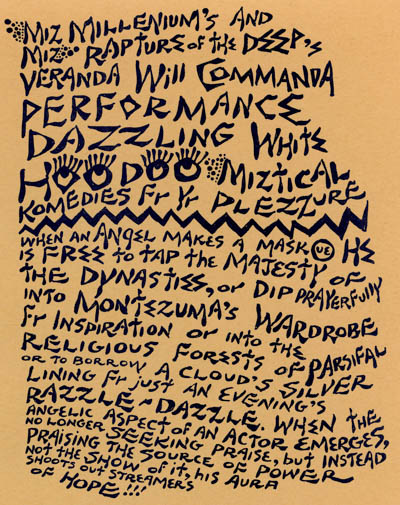
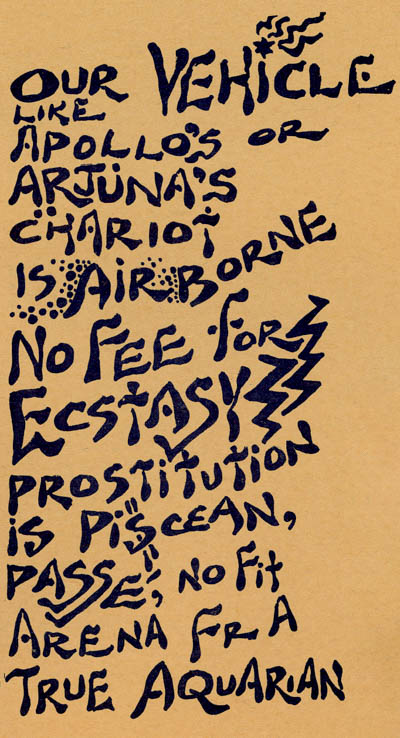
JET was also a
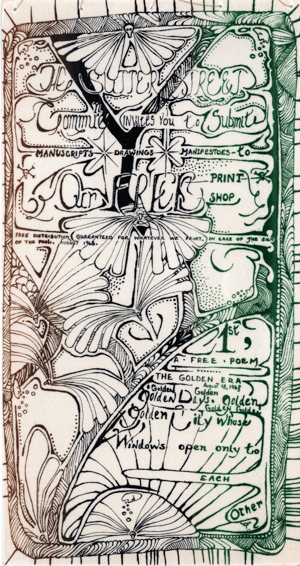
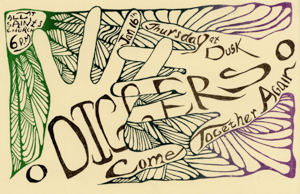
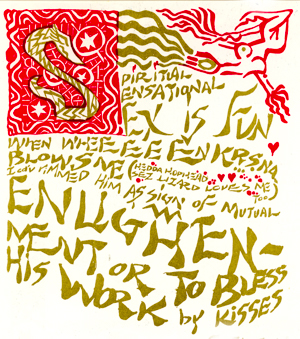
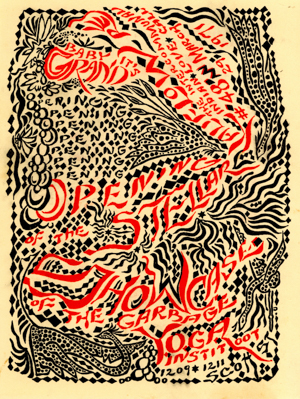
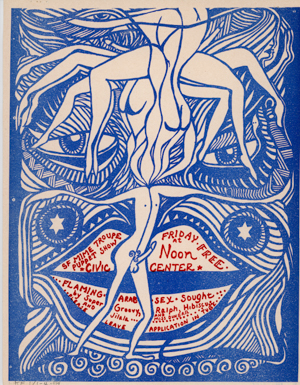
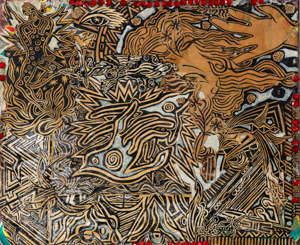
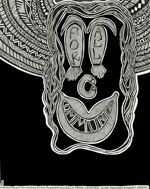
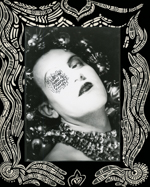
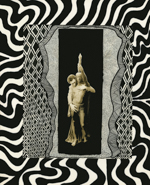
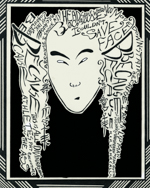
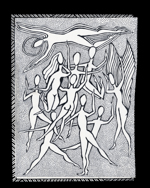
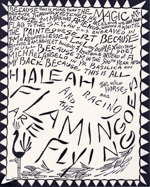
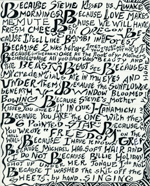
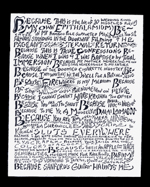
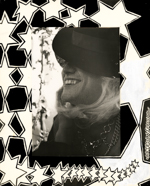
prolific visual artist. Working under the name Jilala, he
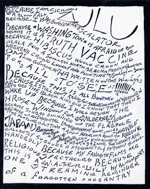
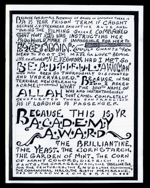
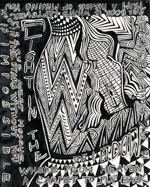
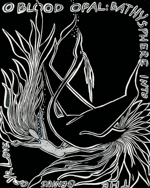
created what Irving Rosenthal called “psychomagnetic wave
drawings” for the Kaliflower newspaper and the Free Print
Shop, designed elaborate sets for the Angels of Light and
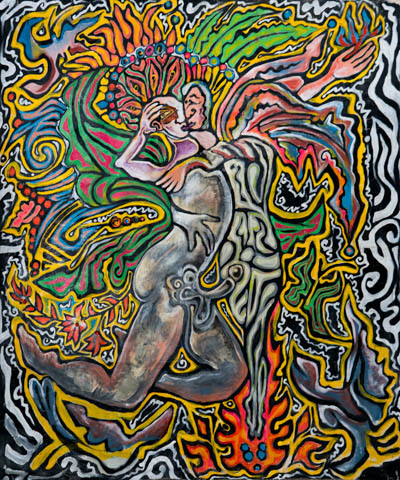
his own films, and produced a large body of oil paintings,
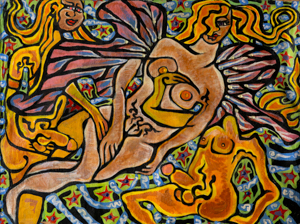
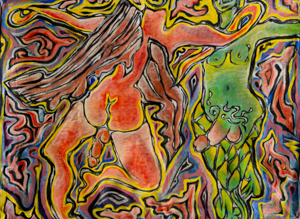
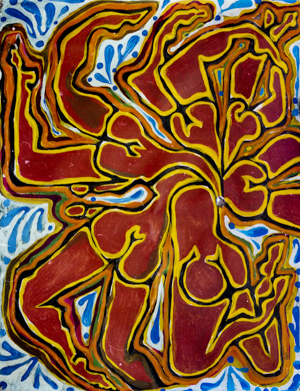
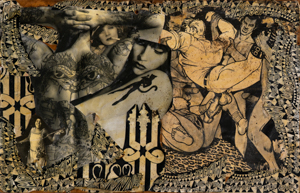
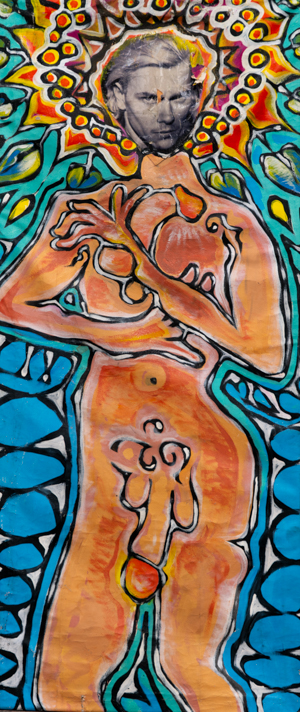
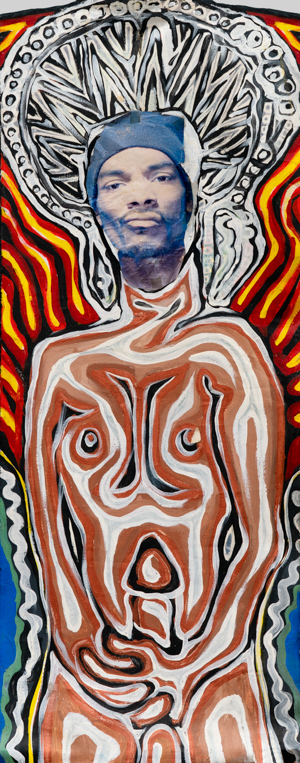
many featuring homoerotic imagery. JET’s paintings, which
could not be accommodated by Stanford’s Special Collections,
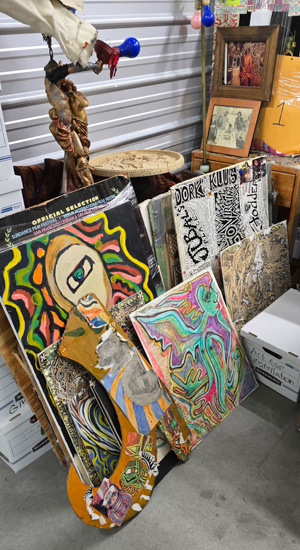
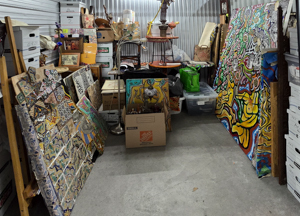
will be exhibited here as part of this memorial.
JET lived
according to his belief in art, community, and defiance. He
challenged convention, made a life outside the mainstream,
and remained faithful to the ethic expressed in the words,
“This is the moment, this is the dream.” JET lived that
moment and pursued that dream, leaving behind films,
paintings, performances, shared meals, and a community
shaped by his imagination and generosity. He is survived by
his chosen family, collaborators, and admirers, who are
honoring his life in San Francisco with theatrical tributes and
communal feasts. It is a fitting farewell for someone who
spent his life bringing people together through food,
theater, freedom, and a generous measure of glitter.
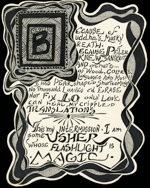
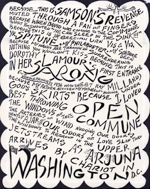
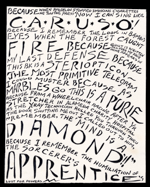
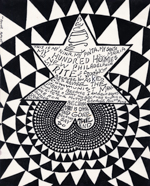
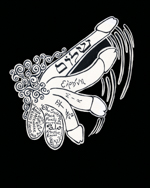
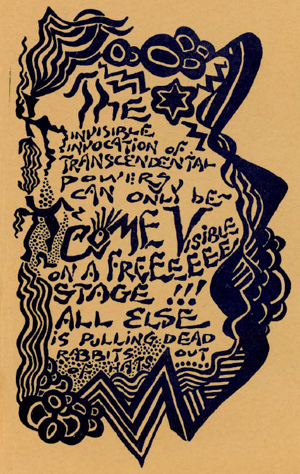
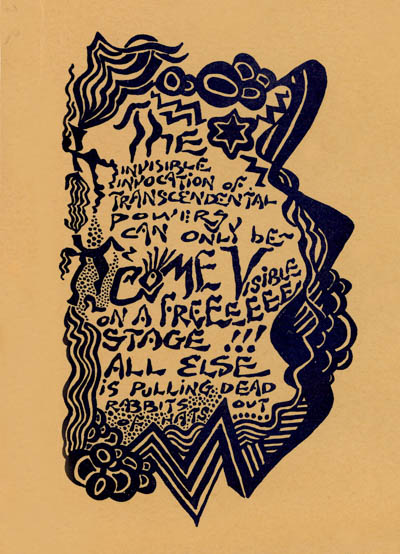
Kaliflower page with JET's incantation: "The invisible invocation
of transcendental powers can only become visible on a Freeeeeee stage !!! All
else is pulling dead rabbits out of hats"
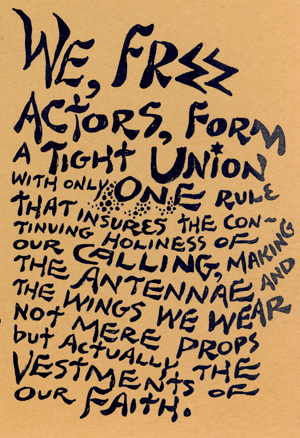
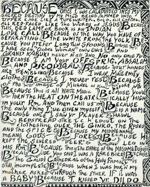
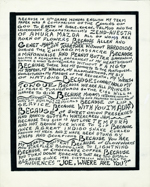
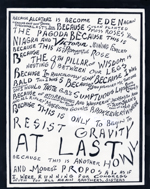
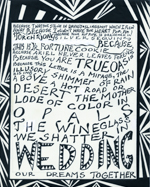
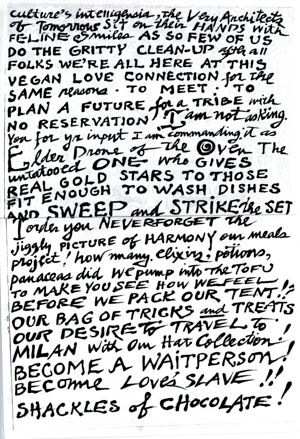
Facsimile of a manifesto JET posted on a wall in the Cockettes commune in 1970,
precipitating the troupe’s split over free versus paid theater and giving birth to the first Angels of Light performances.
JET's Psychomagnetic Wave Drawings
JET discovered his artistic bent in the Sutter Street
Commune where he designed the first posters for the Free
Print Shop and then the first pages of Kaliflower. Writing
in the Tenth Anniversary issue of that publication, Irving
Rosenthal wrote the following:
After Geoff Smith joined
the commune, Mutty introduced me to Jim [JET], a man who had read and liked Mutty’s copy of
Sheeper. He was one of the tallest, strangest, and strongest
creatures I had ever laid eyes on. He was eager to move in.
From the very beginning he was my right hand man in coping
with the frequent crises which erupted in those early
fermenting days. … He was also like an interior decorator
gone mad. Every other day he would completely rearrange a
room’s furniture, rugs, fans, screens, lamps, drapes, and
light bulbs — so you would walk into a room and think you
had made the wrong turn. He often wore lipstick, fingernail
polish, or huge clip earrings — mind you this was in the
pre-genderfuck days — and all these hippy cowboy and Hells
Angel types would drop by — and this immense exotic creature
like Punjab in Orphan Annie — but with an Afro and wearing
lipstick — would come in with a tray full of coffee cups.
Jim designed our first Free Print Shop posters and later
projected our deepest and softest dreams into Kaliflower by
means of his psychomagnetic wave drawings. He was the first
commune member to learn how to make bread.
— from: “Back in 1966, I was living on the Lower East Side …” by
Irving Rosenthal, Kaliflower N.S. 2, November 30, 1977.
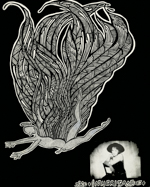
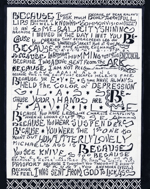
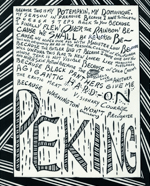
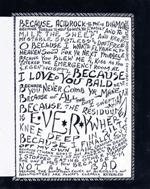
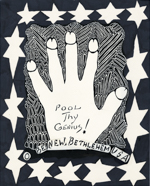
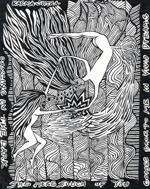
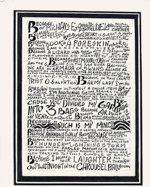
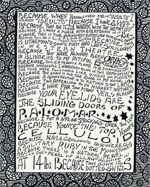
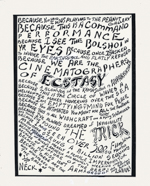
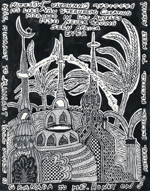
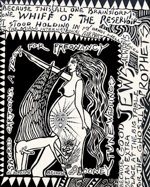
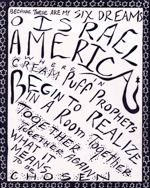
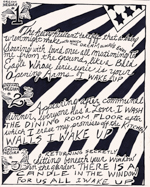
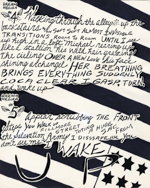
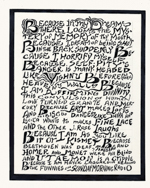
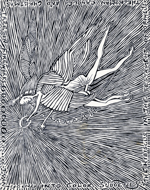
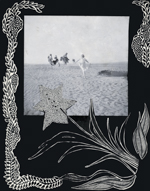
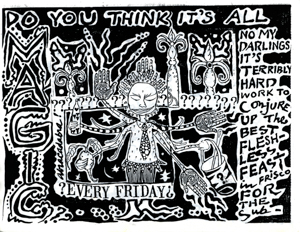
This section will present a selection of the dozens
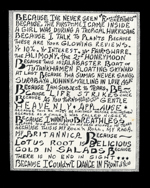
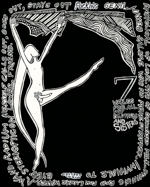
of JET's early drawings, which were
more than intricate designs. They contained messages,
visions, of the new communal society that was being born.
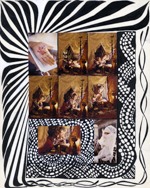
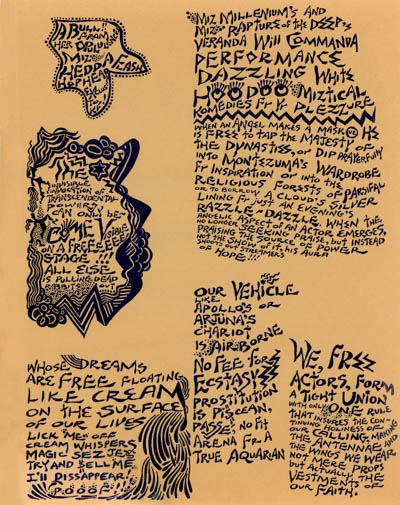
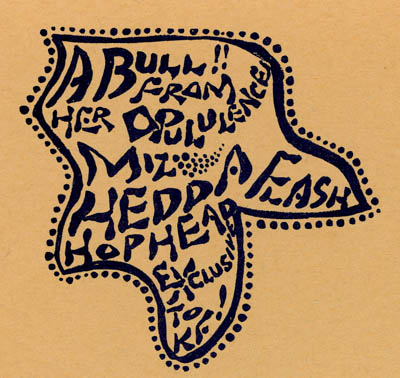
A full six-panel page from Kaliflower v3/n39. Individual
panels reproduced below.
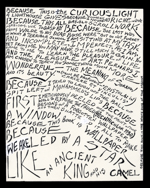
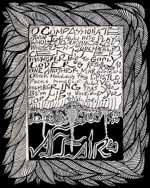
Twelve panels printed in Kaliflower, JET's treatise
on free theater:
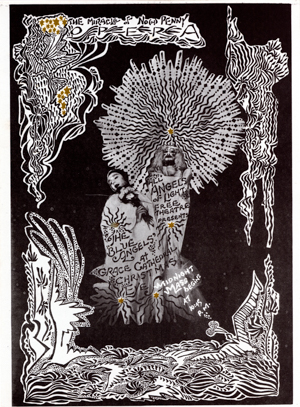
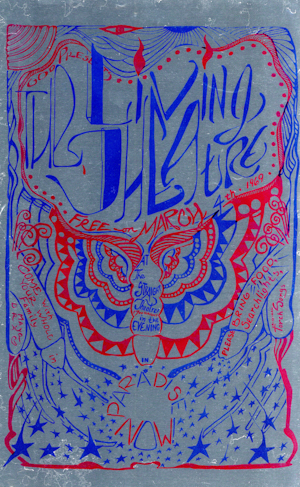
All these Free Print Shop posters and pages from Kaliflower were
designed by JET.
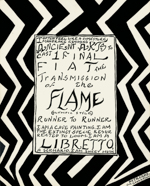
Announcement of the opening of the Free Print Shop, August 1968.
The poster for the Angels of Light performance at Grace Cathedral for
Christmas Eve Mass, 1970.
These two sheets (above, below) were sewn together to form a virtual
kitchen show. Announcement of the Angels of Light show "Deep Frieze."
Announcement of the Scott Street Commune's free store, 1971.
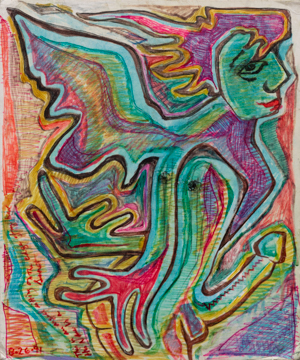
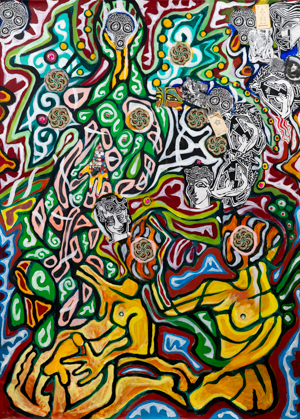
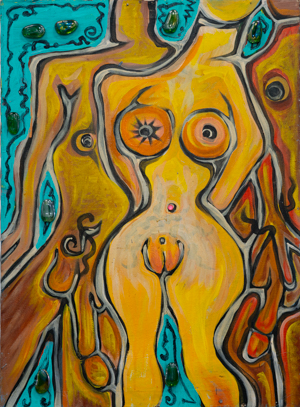
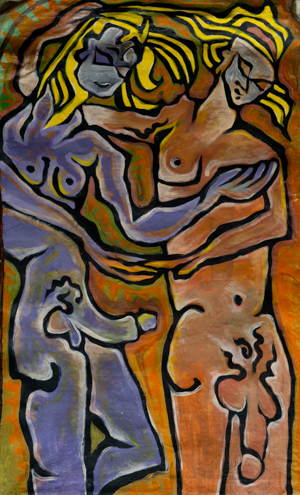
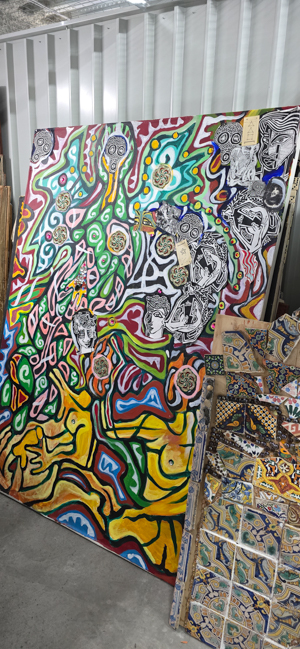
JET's Paintings: Homoerotic Myth
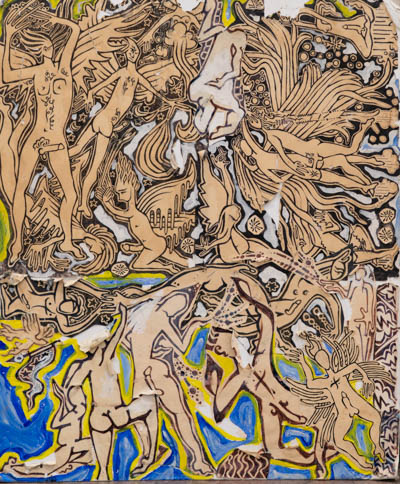
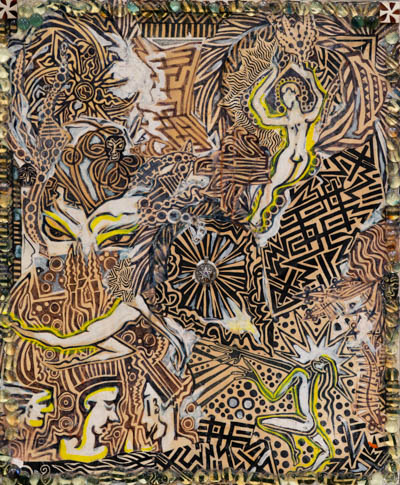
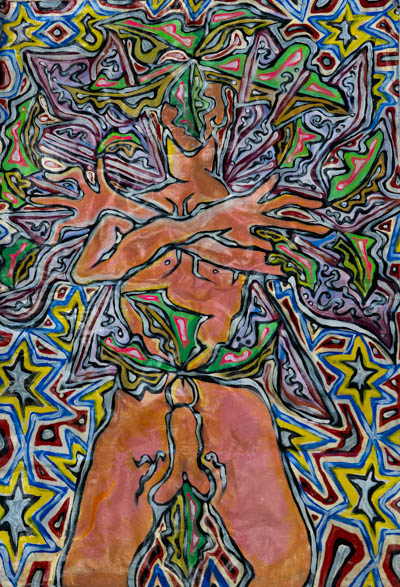
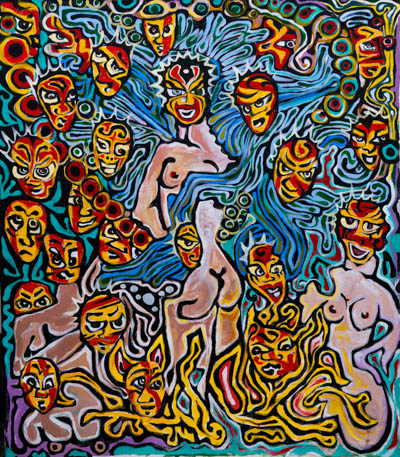
Joseph curated this section, selecting twenty of the 60+ oil paintings that JET had in his apartment when he died. Joseph unwrapped the canvases
and flattened them to make a photographic archive of JET's paintings.
In 1971, JET acquired a Super 8 film camera. Over the next two decades,
he would use it to document the Free Theatre that he had conjured in the
pages of Kaliflower. Bill Weber and David Weissman first used some of
JET's footage for their film The Cockettes. In 2021 and 2025, we organized funding drives to
digitize JET's amazing collection of films. After JET died, one of the requirements
for a library where we were to donate JET's papers was that they take and preserve
his films. Stanford was that library.
The first film here is the only one for which JET specified the footage and soundtrack he wanted for a definitive film on the Angels. The remaining videos that are listed document particular moments and performances.
The Angels of Light, film by Jilala JET von Jalopy
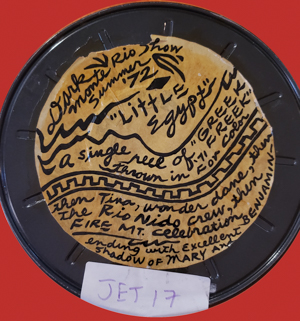
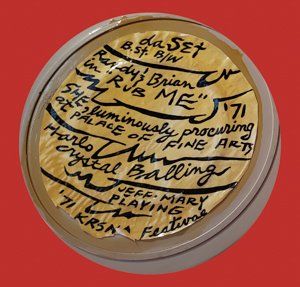
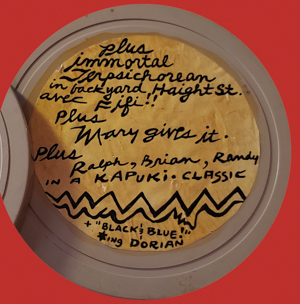
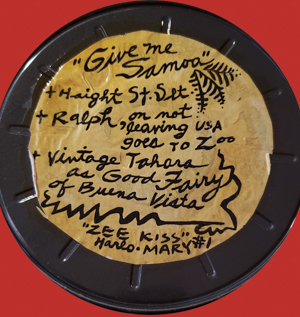
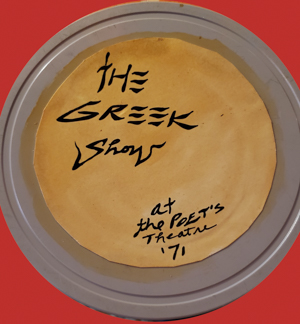
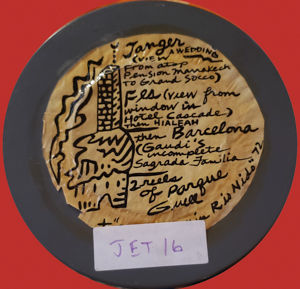
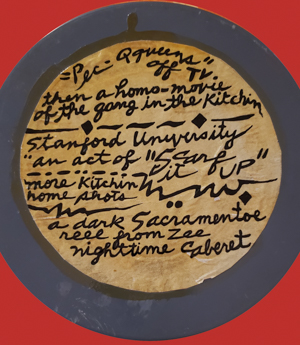
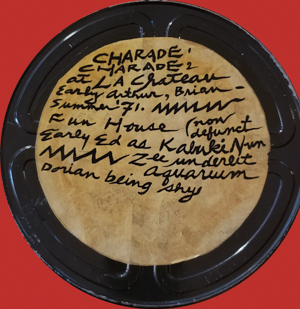
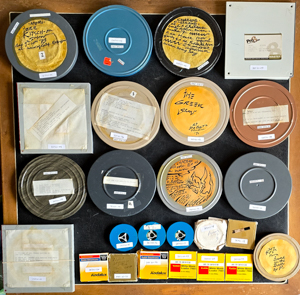
Some of the dozens of film canisters JET used after editing the Super 8
film reels he created of Angels of Light Free Theatre performances and
scenes of communal life.
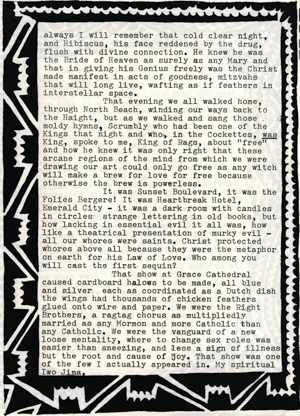
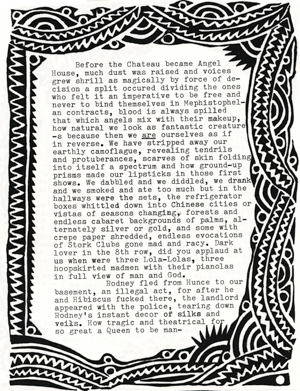
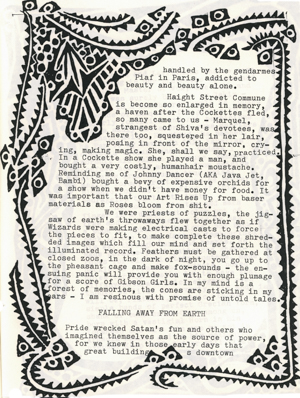
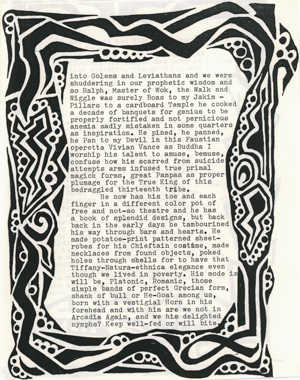
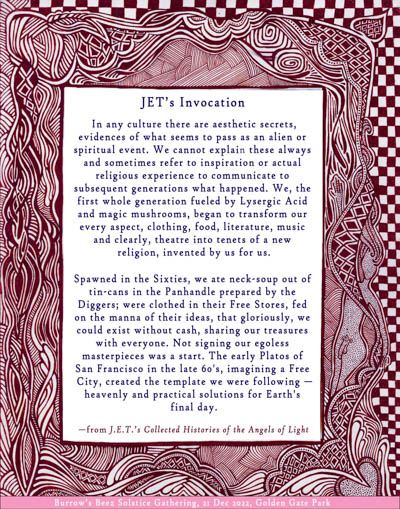
JET's History of the Angels of Light
JET's 'mythopoetic communal memory rendered as queer baroque scripture'
JET’s essay on the Angels of Light is less a chronological account
than a work of mythopoetic remembrance — a self-consciously baroque
meditation that transforms communal theatre into cosmology. Written in
an incantatory style that blends Beat prophecy, queer theatricality, and
religious symbolism, the piece converts lived experience into archetype:
performers become angels, productions become rituals, and the principle
of “free” emerges as a condition of artistic and spiritual power rather
than mere economics. Names surface without orientation and events unfold
outside linear time, reminding the reader that this is memory operating
as theatre rather than documentary history. Yet precisely in its excess
the essay reveals the internal world of the Angels — their aesthetic
philosophy, gender radicalism, devotion to beauty fashioned from
throwaway materials, and the emotional aftertone of a collective that
understood itself as both revelation and ephemeron. Read as primary
testimony rather than narrative record, JET’s text stands as a rare
movement self-scripture, illuminating not only what the Angels of Light
did, but how they imagined the transformative possibilities of
performance itself.
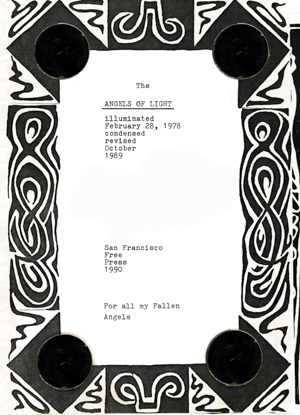
The ANGELS OF LIGHT
illuminated
February 28, 1978
condensed
revised October 1989
San Francisco Free Press 1990
For all my Fallen Angels
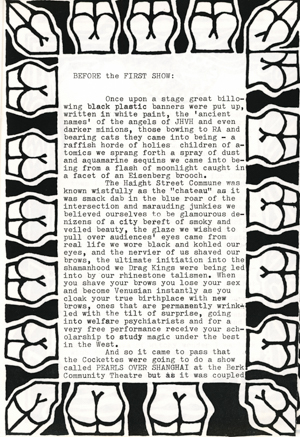
BEFORE the FIRST
SHOW:
Once upon a stage great billowing black
plastic banners were put up, written in white paint, the 'ancient names' of
the angels of JHVH and even darker minions, those bowing to RA and bearing
cats they came into being — a raffish horde of holies children of atomics we
sprang forth a spray of dust and aquamarine sequins we came into being from a
flash of moonlight caught in a facet of an Eisenberg brooch.
The Haight Street Commune was known wistfully as the "chateau" as it was
smack dab in the blue roar of the intersection and marauding junkies we
believed ourselves to be glamourous denizens of a city bereft of smoky
and veiled beauty, the glaze we wished to pull over audiences' eyes came
from real life we wore black and kohled our eyes, and the nervier of us
shaved our brows, the ultimate initiation into the shamanhood we Drag
Kings were being led into by our rhinestone talismen. When you shave
your brows you lose your sex and become Venusian instantly as you cloak
your true birthplace with new brows, ones that are permanently wrinkled
with the tilt of surprise, going into welfare psychiatrists and for a
very free performance receive your scholarship to study magic under the
best in the West.
And so it came to pass that the Cockettes were going to do a show called
PEARLS OVER SHANGHAI at the Berk Community Theatre but as it was coupled
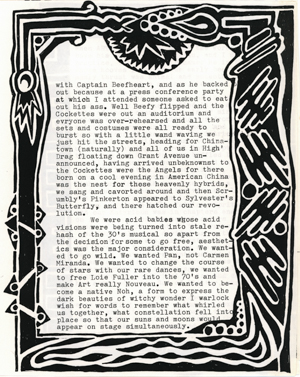
with Captain Beefheart, and as he backed out because at a press
conference party at which I attended someone asked to eat out his ass.
Well Beefy flipped and the Cockettes were out an auditorium and evryone
was over-rehearsed and all the sets and costumes were all ready to burst
so with a little wand waving we just hit the streets, heading for
Chinatown (naturally) and all of us in High' Drag floating down Grant
Avenue unannounced, having arrived unbeknownst to the Cockettes were the
Angels for there born on a cool evening in American China was the nest
for these heavenly hybrids, we sang and cavorted around and then
Scrumbly's Pinkerton appeared to Sylvester's Butterfly, and there
hatched our revolution.
We were acid babies whose acid visions were being turned into stale
rehash of the 30's musical so apart from the decision for some to go
free, aesthetics was the major consideration. We wanted to go wild. We
wanted Pan, not Carmen Miranda. We wanted to change the course of stars
with our rare dances, we wanted to free Loie Fuller into the 70's and
make Art really Nouveau. We wanted to become a native Noh, a form to
express the dark beauties of witchy wonder I warlock wish for words to
remember what whirled us together, what constellation fell into place so
that our suns and moons would appear on stage simultaneously.
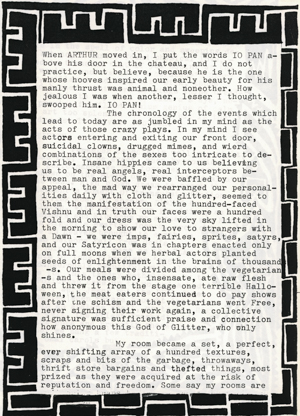
When ARTHUR moved in, I put the words IO PAN above his door in the
chateau, and I do not practice, but believe, because he is the one whose
hooves inspired our early beauty for his manly thrust was animal and
noneother. How jealous I was when another, lesser I thought, swooped
him. IO PAN!
The chronology of the events which lead to today are as jumbled in my
mind as the acts of those crazy plays. In my mind I see actors entering
and exiting our front door, suicidal clowns, drugged mimes, and wierd
combinations of the sexes too intricate to describe. Insane hippies came
to us believing us to be real angels, real interceptors between man and
God. We were baffled by our appeal, the mad way we rearranged our
personalities daily with cloth and glitter, seemed to them the
manifestation of the hundred-faced Vishnu and in truth our faces were a
hundred fold and our dress was the very sky lifted in the morning to
show our love to strangers with a Dawn — we were imps, fairies, sprites,
satyrs, and our Satyricon was in chapters enacted only on full moons
when we herbal actors planted seeds of enlightenment in the brains of
thousands. Our meals were divided among the vegetarians and the ones
who, insensate, ate raw flesh and threw it from the stage one terrible
Halloween, the meat eaters continued to do pay shows after the schism
and the vegetarians went Free, never signing their work again, a
collective signature was sufficient praise and connection how anonymous
this God of Glitter, who only shines.
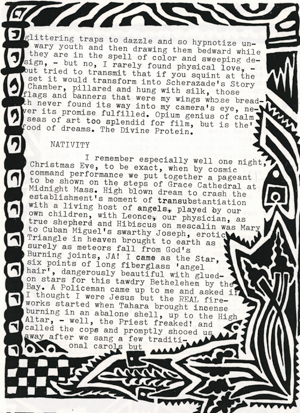
My room became a set, a perfect, ever shifting array of a hundred
textures, scraps and bits of the garbage, throwaways, thrift store
bargains and thefted things, most prized as they were acquired at the
risk of reputation and freedom. Some say my rooms are glittering traps
to dazzle and so hypnotize unwary youth and then drawing them bedward
while they are in the spell of color and sweeping design, — but no, I
rarely found physical love, — but tried to transmit that if you squint
at the set it would transform into Scherazade's Story Chamber, pillared
and hung with silk, those flags and banners that were my wings whose
breadth never found its way into my camera's eye, never its promise
fulfilled. Opium genius of calm seas of art too splendid for film, but
is the food of dreams. The Divine Protein.
NATIVITY
I remember especially well one night, Christmas Eve, to be exact, when
by cosmic command performance we put together a pageant to be shown on
the steps of Grace Cathedral at Midnight Mass. High blown dream to crash
the establishment's moment of transubstantiation with a living host of
angels, played by our own children, with Leonce, our physician, as true
shepherd and Hibiscus on mescalin was Mary to Cuban Miguel's swarthy
Joseph, erotic Triangle in heaven brought to earth as surely as meteors
fall from God's Burning joints, JA! I came as the Star, six points of
long fiberglass 'angel hair', dangerously beautiful with glued-on stars
for this tawdry Bethelehem by the Bay. A Policeman came up to me and
asked if I thought I were Jesus but the REAL fireworks started when
Tahara brought incense burning in an abalone shell, up to the High
Altar, — well, the Priest freaked! and called the cops and promptly
shooed us away after we sang a few traditional carols but always I will
remember that cold clear night, and Hibiscus, his face reddened by the
drug, flush with divine connection. He knew he was the Bride of Heaven
as surely as any Mary and that in giving his Genius freely was the
Christ made manifest in acts of goodness, mitzvahs that will long live,
wafting as if feathers in interstellar space.
That evening we all walked home, through North Beach, winding our ways
back to the Haight, but as we walked and sang those moldy hymns,
Scrumbly who had been one of the Kings that night and who, in the
Cockettes, was King, spoke to me, King of Rags, about "free'' and how he
knew it was only right that these arcane regions of the mind from which
we were drawing our art could only go free as any witch will make a brew
for love for free because otherwise the brew is powerless.
It was Sunset Boulevard, it was the Folies Bergere! It was Heartbreak
Hotel, Emerald City — it was a dark room with candles in circles strange
lettering in old books, but how lacking in essential evil it all was,
how like a theatrical presentation of murky evil — all our whores were
saints. Christ protected whores above all because they were the metaphor
on earth for his Law of Love. Who among you · will cast the first
sequin?
That show at Grace Cathedral caused cardboard haloes to be made, all
blue and silver each as coordinated as a Dutch dish the wings had
thousands of chicken feathers glued onto wire and paper. We were the
Right Brothers, a ragtag chorus as multipliedly married as any Mormon
and more Catholic than any Catholic. We were the vanguard of a new loose
mentality, where to change sex roles was easier than sneezing, and less
a sign of illness but the root and cause of joy. That show was one of
the few I actually appeared in. My spiritual Iwo Jima.
Before the Chateau became Angel House, much dust was raised and voices
grew shrill as magically by force of decision a split occured dividing
the ones who felt it an imperative to be free and never to bind
themselves in Mephistophelan contracts, blood is always spilled that
which angels mix with their makeup, how natural we look as fantastic
creatures because then we are ourselves as if in reverse. We have
stripped away our earthly camoflague, revealing tendrils and
protuberances, scarves of skin folding into itself a spectrum and how
ground-up prisms made our lipsticks in those first shows. We dabbled and
we diddled, we drank and we smoked and ate too much but in the hallways
were the sets, the refrigerator boxes whittled down into Chinese cities
or vistas of seasons changing, forests and endless cabaret backgrounds
of palms, alternately silver or gold, and some with crepe paper
shredded, endless evocations of Stork Clubs gone mad and racy. Dark
lover in the 8th row, did you applaud at us when were three Lola-Lolas,
three hoopskirted madmen with their pianolas in full view of man and
God.
Rodney fled from Hunce to our basement, an illegal act, for after he and
Hibiscus fucked there, the landlord appeared with the police, tearing
down Rodney's instant decor of silks and veils. How tragic and
theatrical for so great a Queen to be manhandled by the gendarmes Piaf
in Paris, addicted to beauty and beauty alone.
Haight Street Commune is become so enlarged in memory, a haven after the
Cockettes fled, so many came to us — Marquel, strangest of Shiva's
devotees, was there too, squestered in her lair, posing in front of the
mirror, crying, making magic. She, shall we say, practiced. In a
Cockette show she played a man, and bought a very costly, humanhair
moustache. Reminding me of Johnny Dancer (AKA Java JET, Bambi) bought a
bevy of expensive orchids for a show when we didn't have money for food.
It was important that our Art Rises Up from baser materials as Roses
bloom from shit.,
We were priests of puzzles, the jigsaw of earth's throwaways flew
together as if Wizards were making electrical casts to force the pieces
to fit, to make complete these shredded images which fill our mind and
set forth the illuminated record. Feathers must be gathered at closed
zoos, in the dark of night, you go up to the pheasant cage and make
fox-sounds — the ensuing panic will provide you with enough plumage for
a score of Gibson Girls. In my mind is a forest of memories, the cones
are sticking in my ears — I am resinous with promise of untold tales.
FALLING AWAY FROM EARTH
Pride wrecked Satan's fun and others who imagined themselves as the
source of power, for we knew in those early days that great buildings
downtown into Golems and Leviathans and we were shuddering in our
prophetic wisdom and so Ralph, Master of Wok, the Walk and Wiggle was
surely Boas to my Jakim — Pillars to a cardboard Temple he cooked a
decade of banquets for genius to be properly fortified and not
pernicious anemia sadly mistaken in some quarters as inspiration. He
pined, he panned, he Pan to my Devil in this Faustian operetta Vivian
Vance as Buddha I worship his talent to amuse, bemuse, confuse how his
scarred from suicide attempts arms infused true primal magick forms,
great Pampas as proper plumage for the True King of this bedraggled
thirteenth tribe.
He now has his toe and each finger in a different color pot of free and
not-so theatre and he has a book of splendid designs, but back back in
the early days he tambourined his way through bars and hearts. He made
potatoe-print patterned sheet-robes for his Chieftain costume, made
necklaces from found objects, poked holes through shells for to have
that Tiffany-Natura-ethnica elegance even though we lived in poverty.
His mode is will be, Platonic, Romanic, those simple bands of perfect
Grecian form, shank of bull or He-Goat among us, born with a vestigial
Horn in his forehead and with him are we not in Arcadia Again, and we
his delighted nymphs? Keep well-fed or will bite.
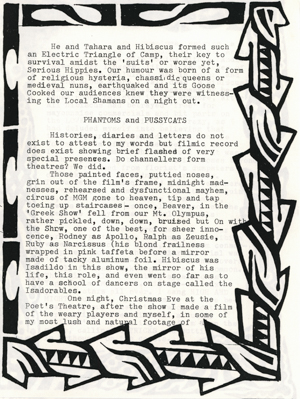
He and Tahara and Hibiscus formed such an Electric Triangle of Camp,
their key to survival amidst the 'suits ' or worse yet, Serious Hippies.
Our humour was born of a form of religious hysteria, chassidic queens or
medieval nuns, earthquaked and its Goose Cooked our audiences knew they
were witnessing the Local Shamans on a night out.
PHANTOMS and PUSSYCATS
Histories, diaries and letters do not exist to attest to my words but
filmic record does exist showing brief flashes of very special
presences. Do channellers form theatres? We did.
Those painted faces, puttied noses, grin out of the film's frame,
midnight madnesses, rehearsed and dysfunctional mayhem, circus of MGM
gone to heaven, tip and tap toeing up staircases — once, Beaver, in the
'Greek Show ' fell from our Mt. Olympus, rather pickled, down, down,
bruised but On with the Show, one of the best, for sheer innocence,
Rodney as Apollo, Ralph as Zeusie, Ruby as Narcissus (his blond
frailness wrapped in pink taffeta before a mirror made of tacky aluminum
foil. Hibiscus was Isadildo in this show, the mirror of his life, this
role, and even went so far as to have a school of dancers on stage
called the Isadorables.
One night, Christmas Eve at the Poet's Theatre, after the show I made a
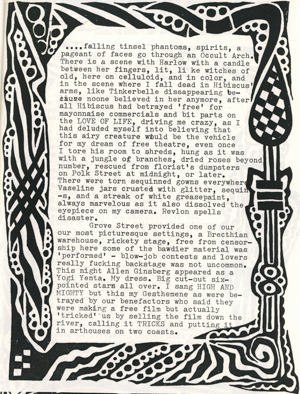
film of the weary players and myself, in some of my most lush and
natural footage of falling tinsel phantoms, spirits, a pageant of faces
go through an Occult Arch. There is a scene with Harlow with a candle
between her fingers, lit, like witches of old, here on celluloid, and in
color, and in the scene where I fall dead in Hibiscus ' arms, like
Tinkerbelle dissappearing because noone believed in her anymore, after
all Hibiscus had betrayed 'free' for mayonnaise commercials and bit
parts on the LOVE OF LIFE, driving me crazy, as I had deluded myself
into believing that this airy creature would be the vehicle for my dream
of free theatre, even once I tore his room to shreds, hung as it was
with a jungle of branches, dried roses beyond number, rescued from
florist's dumpsters on Polk Street at midnight, or later. There were
torn sequinned gowns everywhere Vaseline jars crusted with· glitter,
sequins, and a streak of white greasepaint, always marvelous as it also
dissolved the eyepiece on my camera. Revlon spells disaster.
Grove Street provided one of our our most picturesque settings, a
Brecthian warehouse, rickety stage, free from censorship here some of
the bawdier material was 'performed' — blow-job contests and lovers
really fucking backstage was not uncommon. This night Allen Ginsberg
appeared as a Yogi Yenta. My dress. Big cut-out six-pointed stars all
over. I sang HIGH AND MIGHTY but this my Gesthemene as were betrayed by
our benefactors who said they were making a free film but actually
'tricked' us by selling the film down the river, calling it TRICKS and
putting it in arthouses on two coasts.
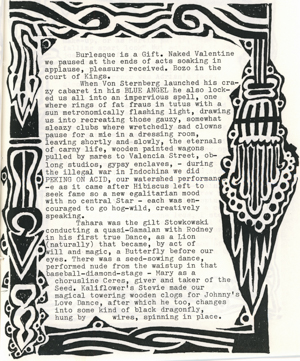
Burlesque is a Gift. Naked Valentine we paused at the ends of acts
soaking in applause, pleasure received. Bozo in the court of Kings.
When Von Sternberg launched his crazy cabaret in his BLUE ANGEL he also
locked us all into an impervious spell, one where rings of fat fraus in
tutus with a sun metronomically flashing light, drawing us into
recreating those gauzy, somewhat sleazy clubs where wretchedly sad
clowns pause for a mie in a dressing room, leaving shortly and slowly,
the eternals of carny life, wooden painted wagons pulled by mares to
Valencia Street, oblong studios, gypsy enclaves, — during the illegal
war in Indochina we did PEKING ON ACID, our watershed performance as it
came after Hibiscus left to seek fame so a new egalitarian mood with no
central Star — each was encouraged to go hog-wild, creatively speaking.
Tahara was the gilt Stowkowski conducting a quasi-Gamalan with Rodney in
his first true Dance, as a Lion (naturally) that became, by act of will
and magic, a Butterfly before our eyes. There was a seed-sowing dance,
performed nude from the waistup in that baseball-diamond-stage — Mary as
a chorusline Ceres, giver and taker of the Seed. Kaliflower's Stevie
made our magical towering wooden clogs for Johnny's Love Dance, after
which he too, changes into some kind of black dragonfly, hung by wires,
spinning in place.
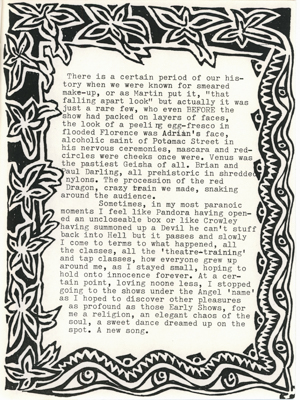
There is a certain period of our history when we were known for smeared
make-up, or as Martin put it, "that falling apart look'' but actually it
was just a rare few, who even BEFORE the show had packed on layers of
faces, the look of a peeling egg-fresco in flooded Florence was Adrian's
face, alcoholic saint of Potomac Street in his nervous ceremonies,
mascara and red circles were cheeks once were. Venus was the pastiest
Geisha of all. Brian and Paul Darling, all prehistoric in shredded
nylons. The procession of the red Dragon, crazy train we made, snaking
around the audience.
Sometimes, in my most paranoic moments I feel like Pandora having opened
an uncloseable box or like Crowley having summoned up a Devil he can't
stuff back into Hell but it passes and slowly I come to terms to what
happened, all the classes, all the 'theatre-training' and tap classes,
how everyone grew up around me, as I stayed small, hoping to hold onto
innocence forever. At a certain point, loving noone less, I stopped
going to the shows under the Angel 'name' as I hoped to discover other
pleasures as profound as those Early Shows, for me a religion, an
elegant chaos of the soul, a sweet dance dreamed up on the spot. A new
song.
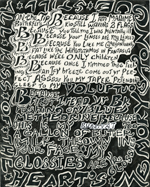
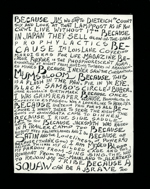
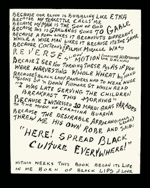
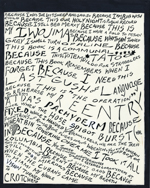
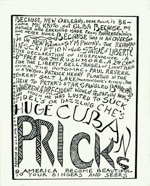
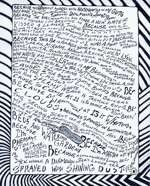
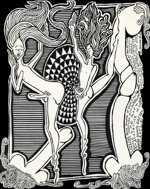
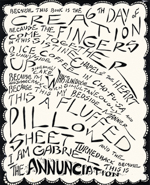
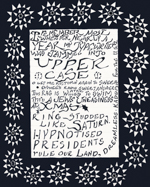
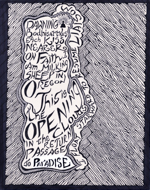
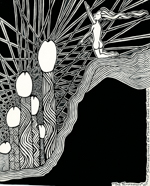
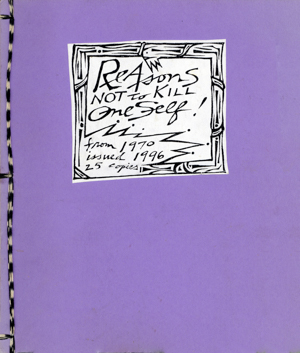
In 1969, after two years living in the Sutter Street Commune,
Irving expelled JET. JET tells his version of the events in the series of
oral history interviews I conducted with him. I don't know if Irving ever
told his version.
JET went back to Florida and then made his way to New Orleans. He spent
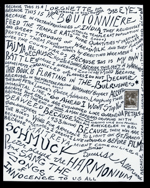
the next several weeks writing a plea to Irving, to the commune, to let him
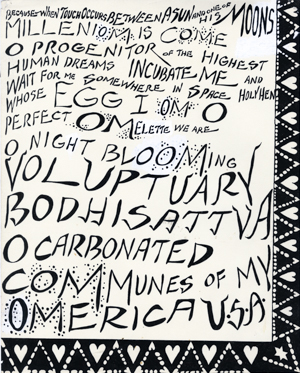
come back. This is the result of that meditation. Each of these sheets is
around 11" x 14" and the whole is unbound. JET sent this masterpiece in the
mail and happily recounted that Irving's letter inviting him back crossed
paths. It was not to remain a forever reunion. JET was expelled once more, a
year later.
After several years working with JET documenting his films, I asked about
his "book" to Irving. That's how JET had referred to it. After a thorough
search of the most dense closet I have seen, I found a box with these pages.
This is the order in which I scanned those pages in 2019. JET had also produced
an edited, smaller version which he had distributed to twenty-five friends.
(See image of cover in right-hand column.)
JET had begun his career in Free Feeds with the Diggers in 1966. After moving
into the Sutter Street Commune, he collaborated with Ralph and George Harris
(Hibiscus) in preparing nightly communal meals while performing Broadway show
tunes. They called themselves The Kitchen Sluts. From the 1980s through the early 2000s, JET and Ralph
organized Free Vegan Feeds that combined Digger Do with
a Queer Aesthetic. Watch the clip below.
A clip from Les Diggers de San
Francisco with JET at the No(h) Penny Opera in 1998 explaining his Digger roots,
origins of the Angels of Light, and his lifelong passion for free vegan feasts.
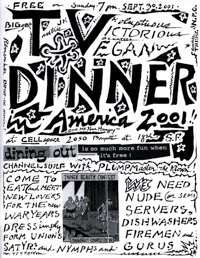
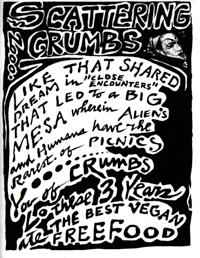
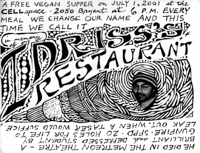
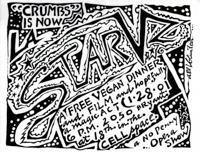
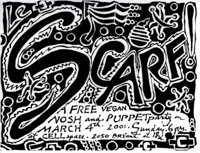
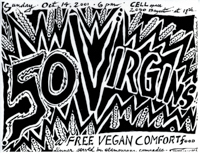
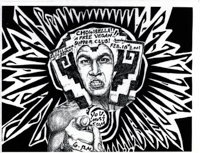
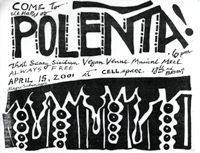
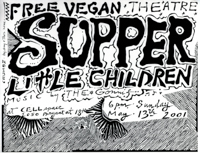
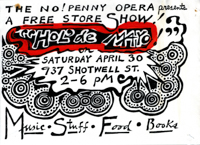
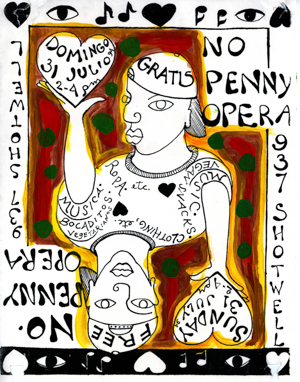
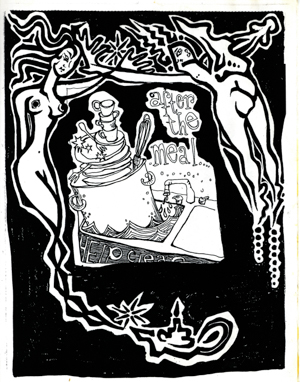
JET designed posters for Crumbs, Cell Space, No Penny Opera, and the other Free Vegan Kitchens he and Ralph ran for two decades.
A Free Feed Manifesto by JET:
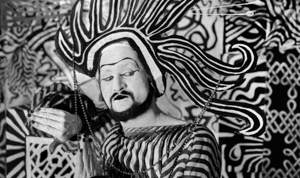
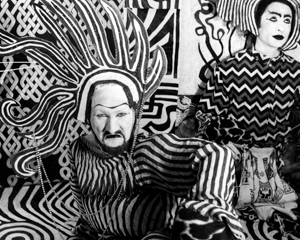
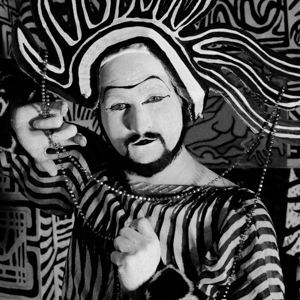
JET's Sets and Costumes
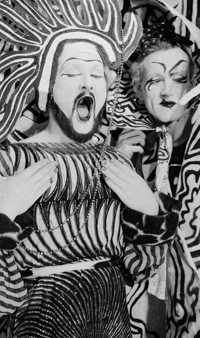
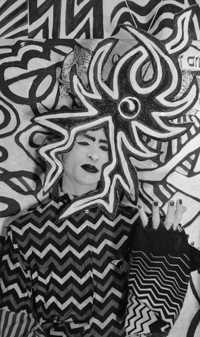
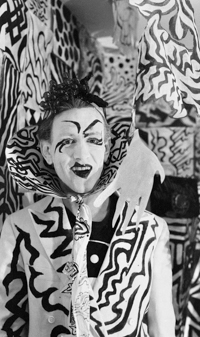
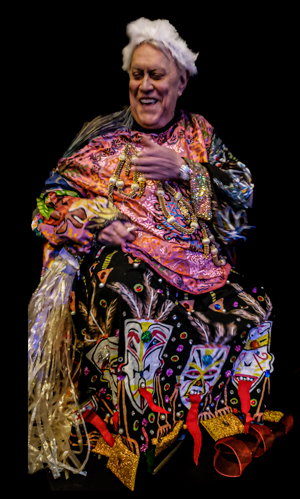
JET's art extended to every detail in his life. His living spaces were an
extension of that aesthetic and the backdrops for many of his films. His
costumes were the outer form of his inner self. JET contributed sets and
costumes for the Angels of Light shows, and later for the performances he
staged in the various San Francisco apartments where he continued filming.
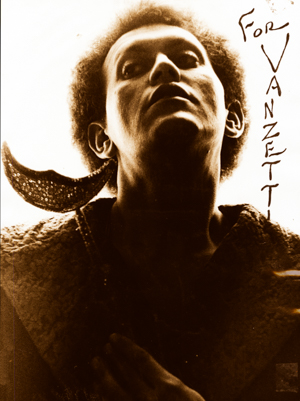
Here is a gallery of photographs by Joseph Johnston offering a glimpse of this
aspect of JET's genius.
After I retired and went back to school to learn how history
is done <g>, one of the major projects on the "to-do" list was
documenting JET's archive of films, manifestos, poetry and
images. Every week I would visit JET. We would smoke some of
JET's primo weed and he would dictate the scenes we were
watching on the screen as we viewed his films. Before I left
each week, JET would remind me that he wanted me to preserve his
archive after he died. I had no idea that event would happen so
suddenly.
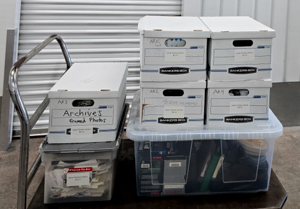
After JET's death in 2024, a group of us immediately set about
securing his papers, films, paintings, and miscellaneous items
in his apartment. Following JET's wishes, I was tasked by the group with
finding a library where we could donate JET's archive. Joseph
joined me in this pursuit over the next three months. The first
two libraries we approached could not take JET's films, but the
third could. Stanford Libraries Special Collections cataloged
the collection and the following is the online finding aid at
the Online Archive of California.
Finding Aid for:
James “JET” Tressler Papers
1950s–2024
Stanford University Libraries, Special Collections
The collection contains original films, artwork, and writing created by James E. Tressler, also known as JET and Jilala, a member of the Angels of Light, a theater group that was an offshoot of the Cockettes based in San Francisco during the 1970s.
Extent
11.25 Linear Feet — 11 manuscript boxes, 17 flat-boxes, and 1 map-folder
Language
English
Preferred citation
[identification of item], James “JET” Tressler papers (M3152). Dept. of Special Collections and University Archives, Stanford University Libraries, Stanford, Calif.
Background
Scope and content
The collection includes a variety of materials created by Tressler in various mediums, as well as personal documents and photographs. The first series includes original films of performances by the Angels of Light, as well as reformatted versions of the films. Other materials created by Tressler include an illustrated manuscript titled The Passions of Jilala Hrose; posters for various performance and free food events; drafts of an autobiographical piece in poems and prose; sketches and illustrations, including many to accompany poems; and materials about the Sutter Street Commune, the Cockettes, and the Angels of Light. The collection also includes family photographs from Tressler's childhood in Florida in the 1950s and other personal documents from Tressler's later life in San Francisco.
Biographical / historical
James E. Tressler (1944–2024) was born and raised around Miami, Florida. After attending the University of Florida, Tressler moved to San Francisco where he moved into the newly created Sutter Street Commune in 1969. He soon became one of the writers and artists behind their Kaliflower newsletter and quickly embraced the philosophy of free that had become a part of the commune culture and wider Digger movement in San Francisco. In 1970, Tressler left the Sutter Street Commune and moved into a house occupied by members of the Cockettes, an avant-garde psychedelic theatre group that was formed by former commune member George “Hibiscus” Harris. The Cockettes soon fell apart over disputes on whether or not the group should earn money for their performances. Tressler felt strongly that “the invisible invocation of transcendental powers can only become visible on a FREEEEEE stage !!!” Eventually Tressler and a branch of the Cockettes broke off to establish the Angels of Light — a group that only performed for free. The Angels of Light performed between 1970 and 1984. The group also established a close relationship with the Sutter Street Commune, with many members living at the commune. In his later years, Tressler was involved in Crumbs, a free vegan meal program, and continued to create art in his apartment in San Francisco's Tenderloin district.
Acquisition information
This collection was given by Eric Noble, on behalf of the Burrow's Bees Collective and Friends of James “JET” Tressler, to Stanford University, Special Collections in May 2025.
Arrangement
The collection is arranged into five series:
I. Audiovisual Materials
II. Artwork
III. Writing and Performance
IV. Personal Papers
V. Childhood and Family History Materials
Rules or conventions
Describing Archives: A Content Standard
Related resources
Related collections at Stanford include the Irving Rosenthal papers (M1550) and The Commune (San Francisco, Calif.) records (M2918). Tressler lived at the Commune when it was located on Sutter Street and was later involved in their free food efforts. In particular, he painted a number of murals for their Small Free Inn during the 1980s. Tressler also appeared in The Cockettes, a documentary produced in 2002.
Indexed terms
Subjects: Theater — California — San Francisco — History; Counterculture — History — 20th century — United States
Names: Angels of Light (Theater group)
Access and use
Restrictions: Open for research, except for Box 25, which is closed until 2075. Audiovisual materials are not available in original format, and must be reformatted to a digital use copy.
Terms of access: While Special Collections is the owner of the physical and digital items, permission to examine collection materials is not an authorization to publish. These materials are made available for use in research, teaching, and private study. Any transmission or reproduction beyond that allowed by fair use requires permission from the owners of rights, heir(s) or assigns.
Location of this collection
Stanford University, Manuscripts Division
Department of Special Collections, Green Library
557 Escondido Mall
Stanford, CA 94305-6004, US
Collection Contents
Series 1. Audiovisual Materials
The series contains audiovisual materials, arranged by format. This includes original films shot by Tressler of the Angels of Light performing and in their day-to-day lives around San Francisco. The series also appears to have reformatted versions of these original films. Annotations and labels on the reel cans have been transcribed. There is also footage from some of Tressler's travels in the 1980s and 1990s. Some of the film reels had been digitized prior to being transferred to Stanford; as the films had been grouped into batches for digitization, these groupings have been retained in the identification and numbering of the films.
Film Reels
Printout of ‘Spreadsheet Listing of JET's Films’ [incomplete] & other information about the films — Box 2, Item 1
JET 02: multiple film clips — Box 4, Item 1; 8mm 1. B/W TL set: Gershen, Reilly, Sauer, Windsor and myself; 2. Windsor on Harrison St. in homemade Chinese Opera costume; 3. Price on submarine set on Oak Street; 4. Sauer on B/W set, b. Robin, Fitzeater, Wasp Women, designs; 5. Xmas Angel Cabaret (1976), 16th and Valencia (B/W); 6. Ben first, then Craig as the AFREEKAN PRINCE, August 30, 1987; 7. Poet's Theatre Classic (1971) Hibiscus, myself, earliest Angels, photographed by Sweet William
JET 03: multiple film clips — Box 4, Item 2; 8mm 1. Russian River 2; 2. Ralph in Dragroom at Oak St; 3. Handwings; 4. B/W DR DASH Brian, Tony, Sham; 5. THEM in BW, assorted shots after, DeMille, Eena baby shots; 6. Tahara, Ed, Viking Dan, Johnny Dancer (B/W on Broderick St.)
JET 04: Comets You Are by the Angels of Light — Box 4, Item 3; 8mm
JET 05: multiple film clips — Box 4, Item 4; 8mm Dominos / Early Broderick St. Film / Last Days of Sodom and Gomorrah / Blue Island / Ralph, etc. in Oak St. basement / Dagnou [?] design 79 / Me nude scene in R. River (yeow!)
JET 06: multiple film clips — Box 4, Item 5; 8mm 1. Earliest Eena; 2. Arthur in the RR. Hunce; 3. Hunga Dunga doing THE IMPORTANCE OF BEING EARNEST; 4. Me in color. THEM in color; 5. GIVE ME SAMOA; 6. Upsidedown collage; Gentlemen prefer Blondes off TV and shot of nude boy
JET 07: multiple film clips — Box 4, Item 6; 8mm 1. PARIS SITES UNDER THE BOURGEOIS SEA B/W; 2. (dark) SCICLONES in color; 3. All Species Day with Phil; 4. OM DANCE THEATRE at Halladie Plaza; 5. Tahara's color MEXICAN show at the YMCA; 6. TV shots; 7. Tahara in color (Chinese Opera); 8. Color film of Angel show at [Mental] Health Hospital
JET 08: multiple film clips — Box 5, Item 1; 8mm 1. Tahara in regalia, film on Walter's tool; 2. Sham on swings; 3. Sham's 1st Birthday Party!; 4. Rodney dancing in the Garden; 5. Angels go see Bhaktivedanta (a glimpse of MacNaughton); 6. VOA SHOW!; 7. Eena shots (earliest); 8. Angels gardening as Tah and Tony and Nu look on, doing nothing; 9. Angels go to the Park!; 10. TV “white-haired girl”; 11. Tony in drag room; 12. Angels go to Fort Funston; 13. Bhaktivedanta 1974; 14. Tah in regalia; 15. Tah goes to Gay Day
JET 09: multiple film clips — Box 5, Item 2; 8mm 1. B/W Angels rehearsing on Oak St. and Indian on TV; 2. B/W Gay Day: Indian pulling Rodzella on skates; 3. BUTOH when they first came to SF, at the museum auditorium; 4. B/W Cabaret (dark) Tahara in blackface; same show that went to the old age home; 5. More B/W Gayday; 6. Russian River: Hunce, Oceanpeace; 7. FIRST FILM B/W: Geoff Smith; 8. Miss Lily on B/W set on Broderick St.; 9. HISTORIC POLK STREET SHOW FILM in B/W: Hibiscus, Wally, John Apple, Miguel, Geri, Tahara, Harlow, and Marquel; 10. DEVIL IN THE HEART: Ralph and Kahy in B/W goofing off magically in a windswept front room of the Broderick St. Angel house
JET 10: multiple film clips — Box 5, Item 3; 8mm 1. B/W Esmeralda singing, Victoria, Winston Tong, and short shot of Phil on B/W set (dark); 2. THE KISS: Buzzy Burnette and a lucky recipient of his love; 3. MIME TROUPE in the Park B/W; 4. Sham smells the roses in the park; 5. set shots; 6. Excruciatingly dark by gheelight in India KATHAKALI (about 9 min); 7. Angels in swampy scene under a broken building, then rehearsing, shots of Sham, various Angels; 8. Me in B/W makeup mugging with Ananda nude; 9. Ramakrsna visits Angel kitchen; 10. dark Ta-yuum-ta-ta; 11. Sham and Jeremy; 12. More Ta-Yoom-Ta-Ta and Sham
JET 11: multiple film clips — Box 5, Item 4; 8mm 1. India; 2. Carnival 1982 Civic Center; not-too-good shots of Reilley and I on TL Colour set; 3. Beginning of Colour film, “Miss Sting” Carnival or Gaydat footage with Price in Red, then Sauer on set; 4. footage of protest at St. Mary's; Good shots of myself, the two Reilleys as dragqueens in color; Gayday 1981; 5. “Queer Qom” (Color set TL) Reilley, Burnside, Reilley Jr., and almost nude me, February 7, 1980; 6. “Photo of God” faces drawn on color set TL; 7. Wasp Women (Gayday); 8. Koichi (Butoh in San Francisco)
JET 12: multiple film clips — Box 5, Item 5; 8mm B/W in Tenderloin / African Prince / Brian film / Wasp Women / Tahara and Phil puppet show
JET 13: Peking on Acid & Reel 2 of “Danse Macaroon”, 1972-06 — Box 5, Item 6; 8mm “...a few suck films” / “...a lovely all too rare day of teaching and learning, blessed”
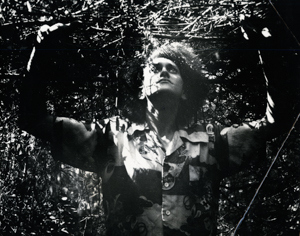
JET 14: multiple film clips — Box 6, Item 1; 8mm 1. Russian River / building Hunce's house; 2. Very early gayday; 3. B/W JUNGLE SHOW (14 minutes) plus day after shots at home
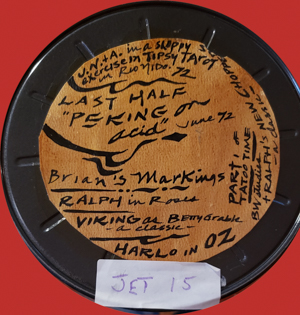
JET 15: Last half of “Peking on Acid”, 1972-06 — Box 6, Item 2; 8mm Also includes: U.N. + A. in a sloppy exercise in Tipsy Tarot in Rio Nido, 1972 / Brian's Markings / Ralph in Roses / Viking as Betty Grable, a classic / Harlo in Oz / Part 1 of TATOO TIME / BW studies and Ralph's New Choppers, a classic
JET 16: Travels, 1972 — Box 6, Item 3; 8mm Tanger (a wedding view from atop Pension Marrakexh to Grand Socco); Fez (view from window in Hotel Cascade); then Hialeah; then Barcelona (Gaudi's incomplete Sagrada Familia, 2 reels of Parque Guell, and “Going Buggy in Rio Nido”)
JET 17: Little Egypt, 1972 — Box 6, Item 4; 8mm Also includes: Dark Monte Rio Show, Summer 1972; a single reel of “GREEK FREEK” thrown in for color; then Tina, wonder done, then the Rio Nido crew, then Fire Mt. celebration ending with excellent shadow of Mary and Benjamin
JET 18: [unlabelled] — Box 6, Item 5; 8mm
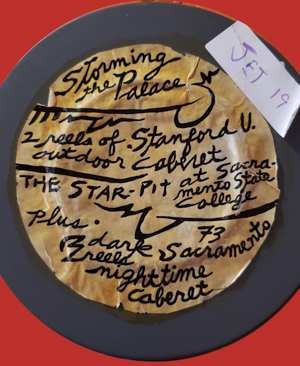
JET 19: Storming the Palace, 1973 — Box 6, Item 6; 8mm Also includes: two reels of Stanford U. outdoor cabaret; the Star-Pit at Sacramento State College; plus 3 dark reels, Sacramento nighttime cabaret
JET 20: The Road to Glazerville, starring Daniel Lamour, 1972 — Box 6, Item 7; 8mm Also includes: Ralph and Dan bop their way into each other's heart; Rodney means Famous in a BW classic; “Being Oneself,” a classic; “Hippie Wedding”
JET 21: multiple film clips — Box 7, Item 1; 8mm 1. Hayssen and daughter in [Russian River]; 2. BOMBAY; 3. More early naked Eena; 4. Dust collage; 5. B/W Quasi-turkey dinner, Oak St. Angel Commune; 6. B/W Mary, Eena; 7. Eena dancing; 8. Eena in hot tub; 9. B/W [Russian River] people; 10. bad film
JET 22: Stanford, 1974 — Box 7, Item 2; 8mm
JET 23: Atomic Testes[?] — Box 7, Item 3; 8mm
JET 24: Brian's Hunga Dunga Carnival Film, 1973 — Box 7, Item 4; 8mm Also includes: At the gazebo in the Sutro Park behind Gamian + 1st shots of Ina; a dark one, either Sacramento or Monte Rio show; Greg's Amsterdam film; 3 reels of “Scarf Up” at Ralph's mother
JET 25: Set — Box 7, Item 5; 8mm Also includes: To the garden with Brian; “The Group” in BW and color; Dash of Color in BW; “What Yr Dreams Mean” by Martini; a BW classic “Boaz and Jakin” in color; “Yo Quiero Verde” + HOT BUGS; Steven's Claws; VEELA; Chinese New Year 1971 or 1972; Brian, my stradavarious; more “Tatoo Time”
JET 26: Just off TV — Box 7, Item 6; 8mm Also includes: Stanford Outdoor Cabaret
JET 27: All Color & Sound — Box 8, Item 1; 8mm
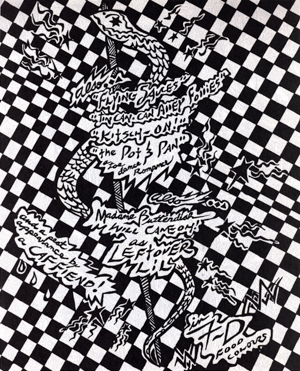
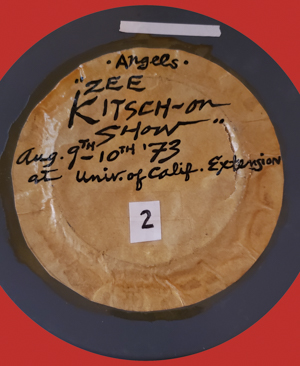
JET 2021 batch, tape 1: Angels “Zee Kitsch-On Show” at University of California Extension, 1973-08 — Box 8, Item 2; 8mm
JET 2021 batch, tape 3: Charades, 1971 — Box 8, Item 4; 8mm Charade at LA Chateau; Early Arthur, Brian — Summer 1971; Fun House (now defunct); Early Ed as Kabuki Nun; Zee undereit[?] aquarium; Dorian being shy
JET 2021 batch, tape 5: multiple film clips — Box 8, Item 6; 8mm 1. The Big Jerk; 2. Ralph, luminous in roses; 3. set shots (littlest dragon); 4. Brian's jewels obscured by roses, photographed as if lovemaking; 5. Color shots of CASTING A SPELL; 6. Danny Leber, handsome, dancing with Ralph; 7. upsidedown handcolored me
JET 2021 batch, tape 6: multiple film clips — Box 9, Item 1; 8mm 1. Hibiscus and Ralph at the Phallus of Fine Farts; 2. S.W.A.K. with Ralph and I with my Twinkie defense; 3. Broderick St. set; 4. A bit of GIVE ME SAMOA; 5. EMERALD SUITOR with the wonderful Mr. Mulherne; 6. Ralph doing his BLIND WOMEN; 7. Tahara and Ralph dancing, titfucking; 8. Set shots; 9. Michael Skilling at midnight; 10. TATOO TIME segment, Viking Dan at midnight smeared with Vaseline; 11. Color-set farce, Adam etc., Ralph as Sister Commoda
JET 2021 batch, tape 7: The Greek Show at the Poet's Theatre, 1971 — Box 9, Item 2; 8mm
JET 2021 batch, tape 8: Ralph's own film of his changeable face — Box 9, Item 3; 8mm “I film his MISHIBASHI in his apartment cabaret; staged version and live one with audience.”
JET 2021 batch, tape 9: multiple travel clips, 1974 — Box 9, Item 4; 8mm 1. Dark color — KATHAKALI; 2. Bright color of India; 3. GOAWAY 1974, Bombay 1975; Afghan Hotel in Herat with Ralph; GOA film by Ralph and I
JET 2021 batch, tape 10: Holy Cow — Box 9, Item 5; 8mm First edition in colour
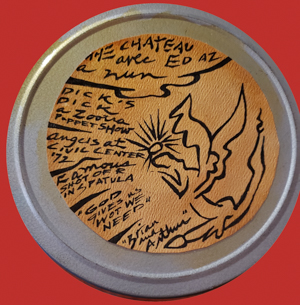
JET 2021 batch, tape 11: The Chateau avec Ed as a Nun — Box 9, Item 6; 8mm Also includes: Dick's Dick a Zootra Puppet Show; Angels at Civic Center 1972; Famous shot of R in Spatula; “God gives us wot we need”; Brian and Arthur
JET 2021 batch, tape 12: Pec-Q Queens off TV — Box 9, Item 7; 8mm Also includes: a homo-movie of the gang in the kitchen; Stanford University, an act of “Scarf it up”; more kitchen home shots; a dark Sacramento reel from the nighttime cabaret
JET 2021 batch, tape 13: multiple clips — Box 10, Item 1; 8mm 1. Collage of set, Rodney putting on red nail polish; 2. GROVE ST CABARET with Sabrina from Paris; 3. Set (Mary behind veil); 4. Windsor and Sauer mugging
The Market of Vain Desires, 2006 — Box 3, Item 10; Video8
[unlabelled tape] — Box 3, Item 11; Video8
[unlabelled tape] — Box 3, Item 12; Video8
[unlabelled tape] — Box 3, Item 13; Video8
[unlabelled tape] — Box 3, Item 14; Video8
[unlabelled tape for camrecorder] — Box 3, Item 15
[unlabelled tape] — Box 3, Item 16
JET02-C / JET03-BW — Box 3, Item 17; MiniDV
JET04-C / JET05-BW — Box 3, Item 18; MiniDV
JET06-MX / JET07-MX — Box 3, Item 19; MiniDV
JET08-C / JET09-BW — Box 3, Item 20; MiniDV
JET10-BW / JET11-C — Box 3, Item 21; MiniDV
JET12-MX / JET13-C — Box 3, Item 22; MiniDV
JET14-MX / JET15-MX — Box 3, Item 23; MiniDV
JET20-MX / JET21-MX — Box 3, Item 24; MiniDV
JET22-C / JET23-MX — Box 3, Item 25; MiniDV
JET24-C / JET25-MX — Box 3, Item 26; MiniDV
JET26-C / JET27-SND-C — Box 3, Item 27; MiniDV
Optical Discs
FILMS 1-8 — Box 2, Item 8; DVD
Films 01-1 / 01-2 — Box 2, Item 9; DVD
Films 04-1 / 05-2 with menu — Box 2, Item 10; DVD
Films 04-1 / 05-3 — Box 2, Item 11; DVD
Films 04-1 / 05-3 with menu — Box 2, Item 12; DVD
Films 06-1 / 08-1 — Box 2, Item 13; DVD
FILMS 9-15 — Box 2, Item 14; DVD
Films 09-1 / 10-3 — Box 2, Item 15; DVD
Films 11-1 / 12-3 — Box 2, Item 16; DVD
Film 12-2 — Box 2, Item 17; DVD
Films 13-1, 15-3 / 20-2 — Box 2, Item 18; DVD
Films 13-1 / 15-2 — Box 2, Item 19; DVD
FILMS 16-21 — Box 2, Item 20; DVD
Films 16-1 / 20-2 — Box 2, Item 21; DVD
Films 21-1 / 24-1 — Box 2, Item 22; DVD
FILMS 22-26 — Box 2, Item 23; DVD
FILMS 27-51 — Box 2, Item 24; DVD
WJET 50-51 (complete) — Box 2, Item 25; DVD
WJET 50-51 (incomplete) — Box 2, Item 26; DVD
“For Monkeytown Show” — Box 2, Item 27; DVD
Selects from JET's film transfers, 2008 — Box 2, Item 28; DVD
JET's films 1 [damaged — can't read files] — Box 2, Item 29; DVD
“Hotel of Follies” Angels of Light, San Francisco, 1981 — Box 2, Item 30; CD
Series 2. Artwork
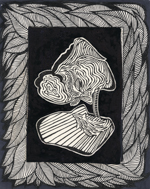
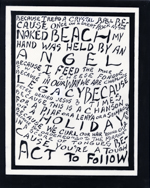
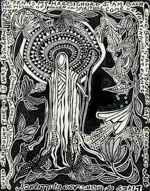
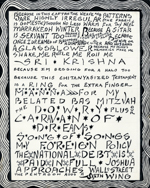
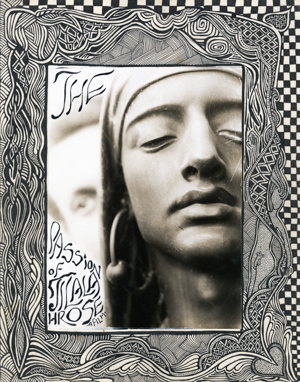
Series 2 contains Tressler's artwork. Much of the artwork is black and white expressive, decorative calligraphy — incorporating textual elements and varied fonts with elaborate swirls and patterns. There are also pictures of Tressler's larger, more colorful works. While some of the artwork is original, there are also numerous photocopies of posters and small pieces that Tressler did. As an example: there is a complete illustrated manuscript with collage elements titled The Passions of Jilala Hrose: A Film. In addition to the original piece, there are also photocopies of complete and partial pages from the manuscript. The artwork is arranged into two sub-series: twenty portfolios (it is unclear if the portfolios were maintained by Tressler or assembled after his death), and loose pieces not held in the portfolios.
The Passion of Jilala Hrose: A Film, 1970 — Box 18 Hand-illustrated manuscript with collage and expressive calligraphy elements. Includes some pasted-on overlays. The manuscript was created by Tressler as a personal appeal for reentry into the Sutter Street Commune after his expulsion in 1969.
Color prints of JET's paintings [8.5 x 11 inches] — Box 19 High-resolution inkjet prints of oil paintings by James Tressler. The paintings recovered from Tressler's apartment after his death and photographed by Joseph Johnston.
Color prints of JET's paintings [17 x 22 inches] — Box 20 High-resolution inkjet prints of oil paintings by James Tressler. The paintings recovered from Tressler's apartment after his death and photographed by Joseph Johnston.
The Passion of Jilala Hrose: A Film [incomplete photocopy], 1970 — Box 21, Folder 1
Skulls — Box 21, Folder 2
Art for event posters — Box 21, Folder 3
Color patterns — Box 21, Folder 4-5
Borders & illustrated frames — Box 21, Folder 6
Assorted human figures — Box 21, Folder 7
Misc. Artwork — Box 21, Folder 8-9
Large collages [approx. 20 x 24 inches] — Box 22, Item 1-7
Ladies panties with lace and handwriting [folded up in small pouch] — Box 19, Item 7
Series 3. Writing & Performance
Series 3 includes various autobiographical writings of Tressler, as well as various poems and prose; copies of the Sutter Street Commune's Kaliflower newsletter; and materials about his time with the Cockettes and performances with the Angels of Light.
Cockettes documentary — film screenings and postcards — Box 23, Folder 13
Cockettes — miscellaneous information — Box 23, Folder 14
Angels of Light — “History of the Empyrean” notes on the group's creation — Box 23, Folder 15
Angels of Light — reflections by JET and other angels — Box 23, Folder 16
Angels of Light posters — Box 23, Folder 17
Angels of Light — correspondence and notes on Mary Jordan's film — Box 23, Folder 18
Series 4. Personal Papers
Series 4 contains various personal papers and photographs from Tressler's adult life in San Francisco. This includes printouts of social media posts; posters drawn by Tressler for free food events; and photographs of the Cockettes, Angels of Light, and Tressler. Box 25 contains medical and social services records that are restricted until 2075.
Crumbs booklet — Box 23, Folder 19
Free Food / Crumbs posters — Box 23, Folder 20
Free Food / Crumbs information and directories — Box 23, Folder 21
Community involvement — Box 24, Folder 1
Social media posts [printouts] — Box 24, Folder 2
Social media — old movie posters [printouts] — Box 24, Folder 3
Assorted articles and pictures JET printed from Internet [use unknown] — Box 24, Folder 4
The Success of Excess: The Life and Art of Bill Bowers by Irina Averkieff, 2015 — Box 27, Item 13
Loose sheets from books — Box 27, Item 14
Avant-Garde #1, January 1968 — Box 28, Item 1
The Brotherhood of Light playing cards — Box 28, Item 2
Embroidered pouch — Box 28, Volume 3
Series 5. Childhood & Family History Materials
Series 5 contains photographs from Tressler's childhood in Florida during the 1950s, as well as diplomas, childhood correspondence, and documents from his parents' divorce. The series also contains some materials about his maternal extended family, the Abbates.
Diplomas and certificates, 1950s-1960s — Box 24, Folder 8
School yearbook, id card, literary magazine, 1950s-1960s — Box 24, Folder 9
Esther or Pasqua Abbate's Senior Class Photo, Garfield High School, New Jersey, January 1935 — Map-folder 29, Item 2 Photo taken in front of Capitol Building in Washington, DC. Abbate is seventeenth from left (above the word ‘Class’ with a slightly blurred face).




--400w.jpg)
--400w.jpg)
--400w.jpg)
--400w.jpg)